Living in Fort Worth means dealing with humidity, heavy rains, and the occasional flood. I have seen homes where mold appears within 48 hours after a storm. Mold does not wait for a convenient time. It grows on drywall, behind attic insulation, and in the darkest corners of a crawl space. Over the years, I have learned that residential mold remediation is not just about scrubbing visible spots. It is about understanding why mold showed up in the first place and fixing those conditions for good.
The first time I tackled a serious mold problem in my own home, I made every mistake you can imagine. I used bleach, thinking it would kill everything. All it did was bleach the color out of the mold while the roots stayed alive. I learned that lesson the hard way. Mold spores are resilient. They float through the air, settle on surfaces, and wait for moisture. If you only clean the surface without addressing the source, the mold will come back. That is where a proper approach to residential mold remediation makes all the difference.
Understanding Mold Growth in Homes
Mold needs three things to thrive: moisture, a food source, and the right temperature. In a typical home, the food source can be drywall, wood, dust, or even the glue in attic insulation. The moisture can come from a leaky pipe, a poor vapor barrier in the crawl space, or condensation inside an HVAC system. Once mold spores find these conditions, they start colonizing within days.
Black mold is the one that gets the most attention, and for good reason. It produces mycotoxins that can affect your respiratory system. But all mold, regardless of color, releases spores that can trigger allergies and asthma. I have walked into homes where the air quality testing showed spore counts five times higher than the outdoor air. That is a sign that the indoor environment needs serious attention.
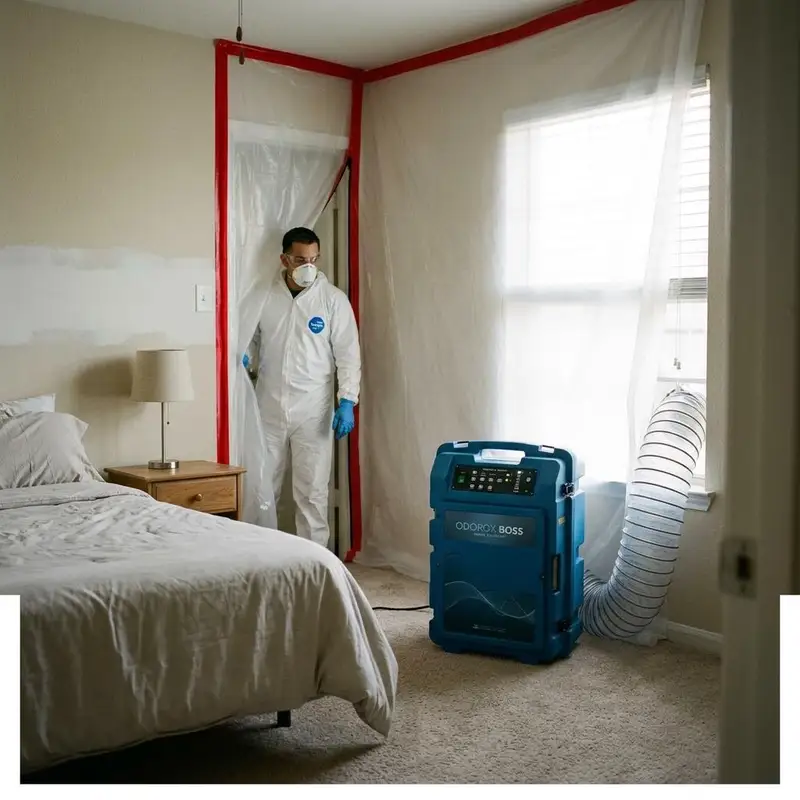
Inspection Before Remediation
Before you start ripping out drywall, you need a thorough mold inspection. A good inspection goes beyond what you can see. It includes moisture mapping with a thermal camera, humidity readings, and sometimes air quality testing. The goal is to find the moisture source and understand how far the mold has spread. I have seen cases where a small patch of mold on a wall was actually the tip of a much larger problem behind the drywall.
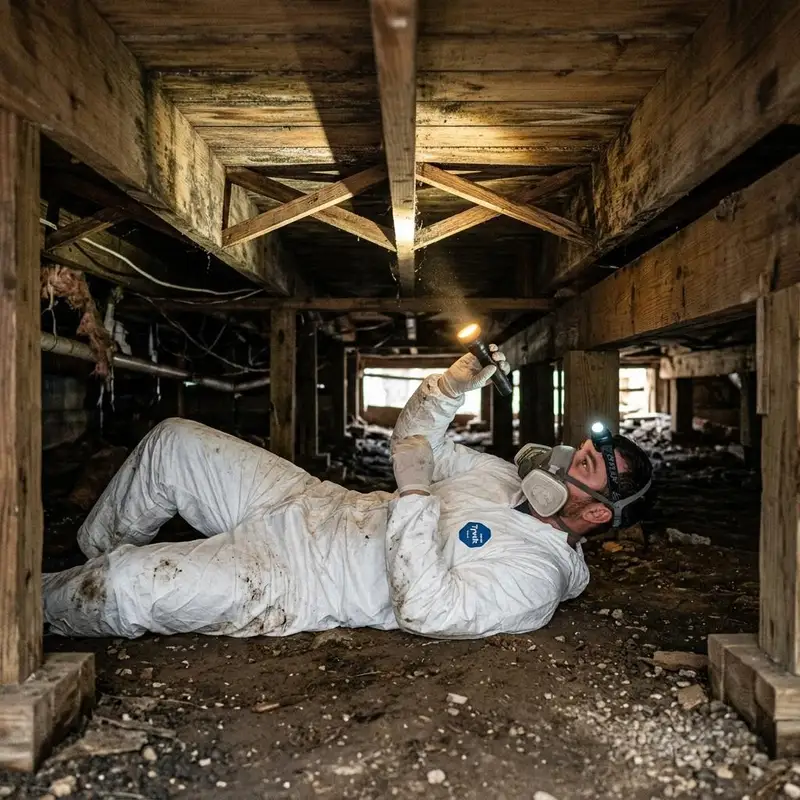
One home I worked on had a slow leak in the crawl space. The vapor barrier had been installed poorly, and the ground underneath was damp. Every time the HVAC system ran, it pulled that moisture into the rest of the house. The mold inspection revealed high spore levels in the bedroom vents. The solution involved fixing the vapor barrier, installing a sump pump to handle groundwater, and running a dehumidifier in the crawl space until the humidity dropped below 50 percent. That is the kind of detective work that makes remediation effective.
Choosing the Right Cleaning Products
Not all mold cleaners are the same. I have used several products over the years, and each has its place. Concrobium works well on porous surfaces because it leaves a crystalline barrier that resists future growth. Mold Armor is good for non-porous surfaces like tile and glass. RMR-141 is a professional-grade solution that kills mold quickly, but you need to follow the safety instructions carefully. Spray & Forget is a maintenance product that works for small patches on outdoor surfaces. For indoor use, I prefer Concrobium or RMR-141, depending on the surface.
A common mistake is using bleach on porous materials. Bleach is mostly water, so it soaks into wood or drywall and actually feeds the mold roots. The chlorine evaporates quickly, leaving the water behind. A better option is a borate-based cleaner. Borate penetrates the material and prevents mold from re-growing. Many professionals use a borate solution for treating wood framing after a remediation.
Containment and Air Filtration
When you disturb mold, you release millions of spores into the air. That is why containment is critical. You need to seal off the work area with plastic sheeting and create negative air pressure. A HEPA filter running inside the containment area captures spores before they spread. I always use a HEPA vacuum for the final cleanup. Standard shop vacuums will blow spores right back into the room.
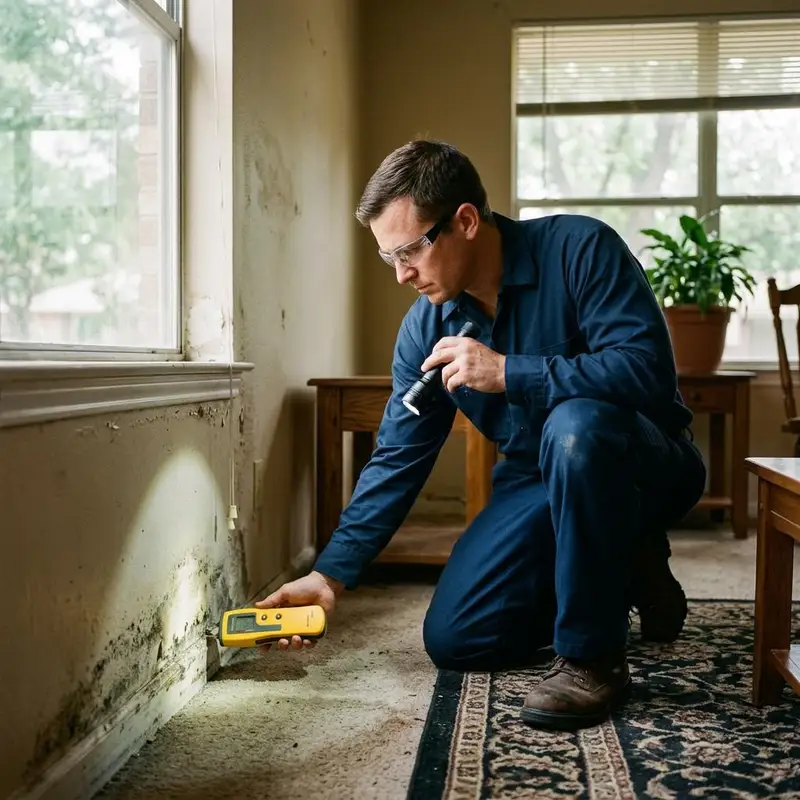
Personal protection is just as important. A good N95 respirator or a half-face respirator with P100 filters will protect your lungs. Gloves and eye protection are non-negotiable. I have seen people skip the respirator because they thought it was a small job, and they ended up with a cough that lasted weeks.
Long-Term Moisture Control
The most effective residential mold remediation includes permanent fixes to the moisture problem. If you skip this step, the mold will return within months. Here are the common interventions I recommend:
- Fix leaks in plumbing, roofing, and the foundation. A slow drip can keep a patch of drywall damp indefinitely.
- Improve drainage around the house. Make sure gutters are clean and downspouts direct water away from the foundation. A sump pump might be necessary if the crawl space collects water.
- Install a proper vapor barrier in the crawl space and basement. This prevents ground moisture from rising into the living space.
- Use a dehumidifier in damp areas. Aim for indoor humidity between 30 and 50 percent. I recommend a unit with a built-in humidistat that runs automatically.
- Inspect the HVAC system regularly. Mold in the ductwork can spread spores to every room. A HEPA filter on the system helps, but the real fix is keeping the coils and drip pan dry.
One home I worked on had mold in the attic that was caused by poor ventilation. The attic insulation was holding moisture from bathroom fans that vented into the attic instead of outside. The remediation involved redirecting the vents, replacing the wet insulation, and adding a fan to keep air moving. After that, the mold never came back.
When to Call a Professional
Small patches of mold on tile or glass can be handled with a good cleaner and a scrub brush. But if the mold covers more than ten square feet, or if it is inside walls, in the HVAC system, or in the crawl space, you need a professional. Professional residential mold remediation companies have the equipment and training to handle containment, disposal, and restoration. They also have insurance and liability coverage in case something goes wrong.
The EPA offers guidelines for mold remediation, and I recommend reading them before starting any project. They stress that the key is fixing the moisture problem, not just cleaning the mold. That advice has saved me a lot of time and money over the years.
Final Thoughts
Mold is a persistent problem in Fort Worth homes, but it is not unbeatable. The right approach combines thorough inspection, proper containment, effective cleaning, and long-term moisture control. Whether you choose to do the work yourself or hire a professional, the principles are the same. Mold does not have to be a permanent resident in your home.